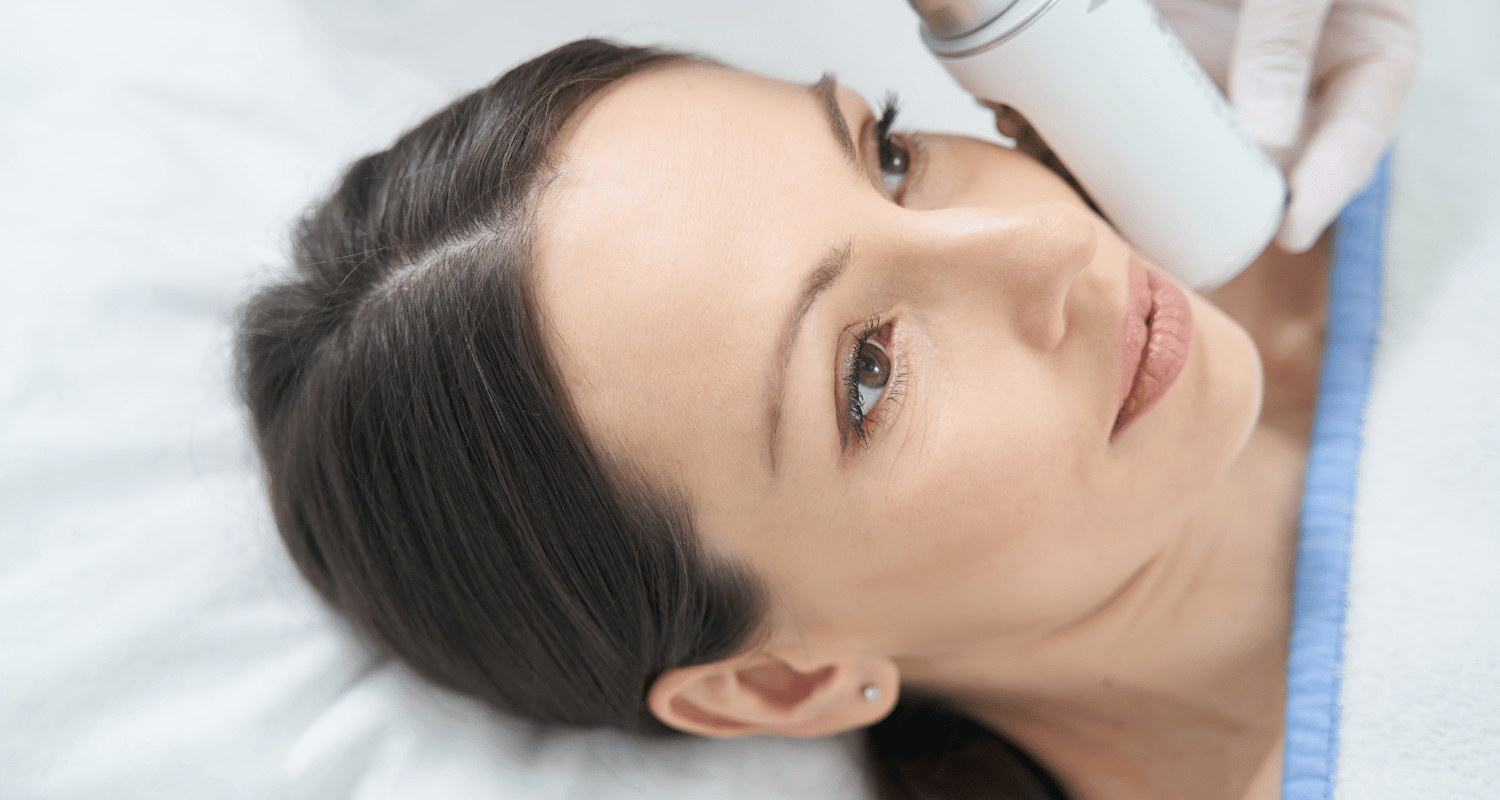
Skin treatments in your 50s in Korea focus on advanced skin rejuvenation, lifting, and restoring lost skin structure. During this stage, collagen and elastin levels decline significantly, and visible signs of aging such as deeper wrinkles, skin laxity, and volume loss become more prominent.
Korean dermatology clinics often recommend treatments that stimulate collagen production, tighten sagging skin, and restore facial volume. These treatments aim to improve overall skin quality while maintaining natural facial balance.
Why Skin Treatments in Your 50s Are Important
- Significant decline in collagen and elastin production
- Increased skin laxity and sagging
- Deeper wrinkles and folds become more visible
- Loss of facial volume and contour
- Skin may appear thinner and less hydrated
In Korea, dermatologists often combine lifting, regenerative, and volume-restoring treatments to address multiple aging concerns.
Most Popular Skin Treatments for People in Their 50s
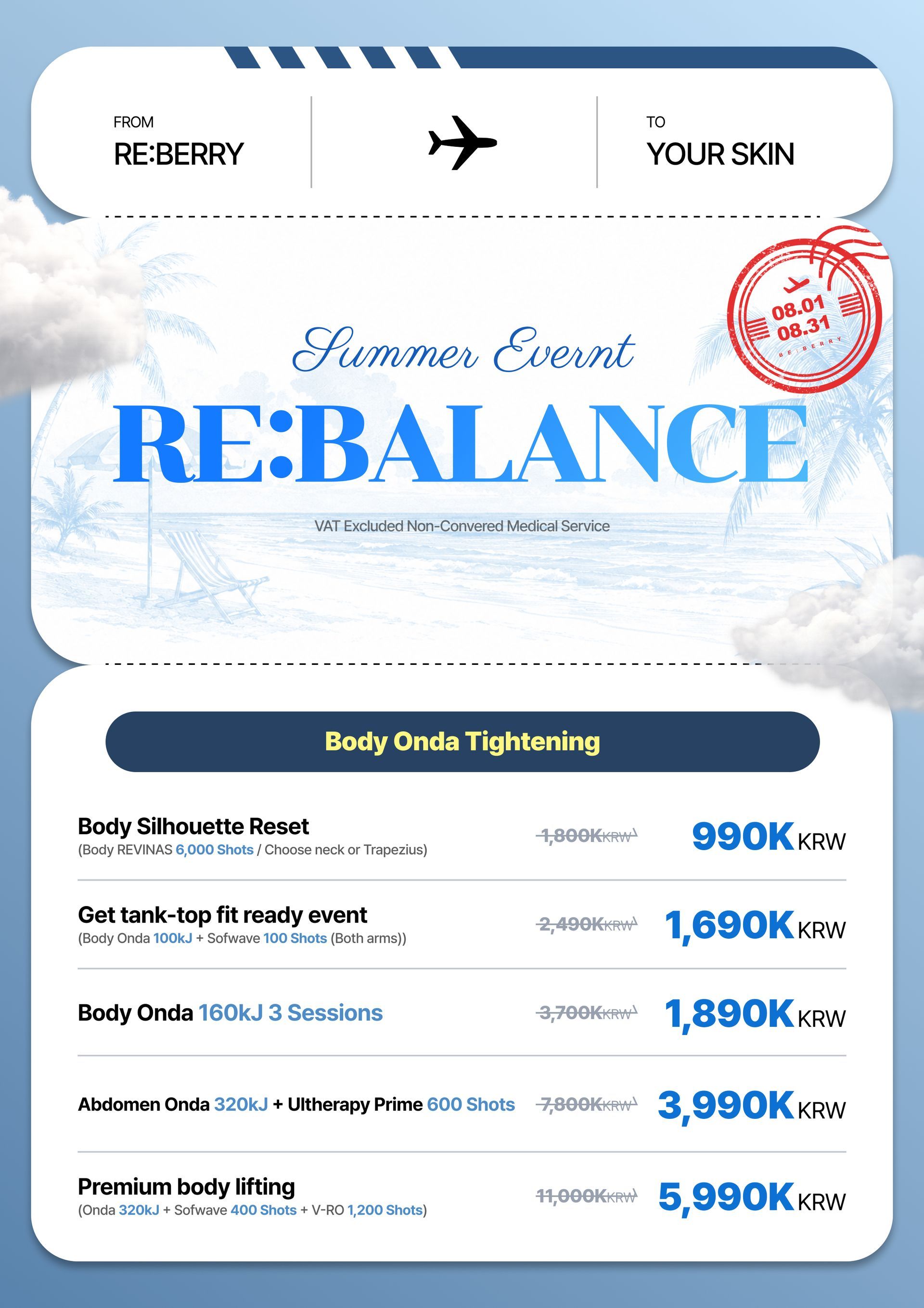
Ultherapy (Ultrasound Lifting Treatment)
A non-surgical treatment that stimulates collagen deep in the skin using focused ultrasound energy.
• Procedure time: 40–60 minutes
• Downtime: Minimal
• Price in Korea: ~$900–$2,500 per session
• Benefits: Skin tightening, lifting of cheeks and jawline, improved elasticity
Radiofrequency (RF) Skin Tightening Treatments
RF-based treatments stimulate collagen and tighten loose skin.
• Procedure time: 30–45 minutes
• Downtime: Minimal redness
• Price in Korea: ~$300–$800 per session
• Benefits: Improved skin firmness, reduced sagging, smoother skin texture
Dermal Fillers for Volume Restoration
Hyaluronic acid fillers restore facial volume in areas such as the cheeks and nasolabial folds.
• Procedure time: 20–30 minutes
• Downtime: Mild swelling or bruising
• Price in Korea: ~$300–$700 per syringe
• Benefits: Restored facial contours, reduced deep wrinkles, fuller appearance
Botulinum Toxin (Botox)
A treatment that relaxes facial muscles to soften dynamic wrinkles.
• Procedure time: 10–15 minutes
• Downtime: Minimal
• Price in Korea: ~$80–$200 per area
• Benefits: Reduced forehead lines, crow’s feet, and expression wrinkles
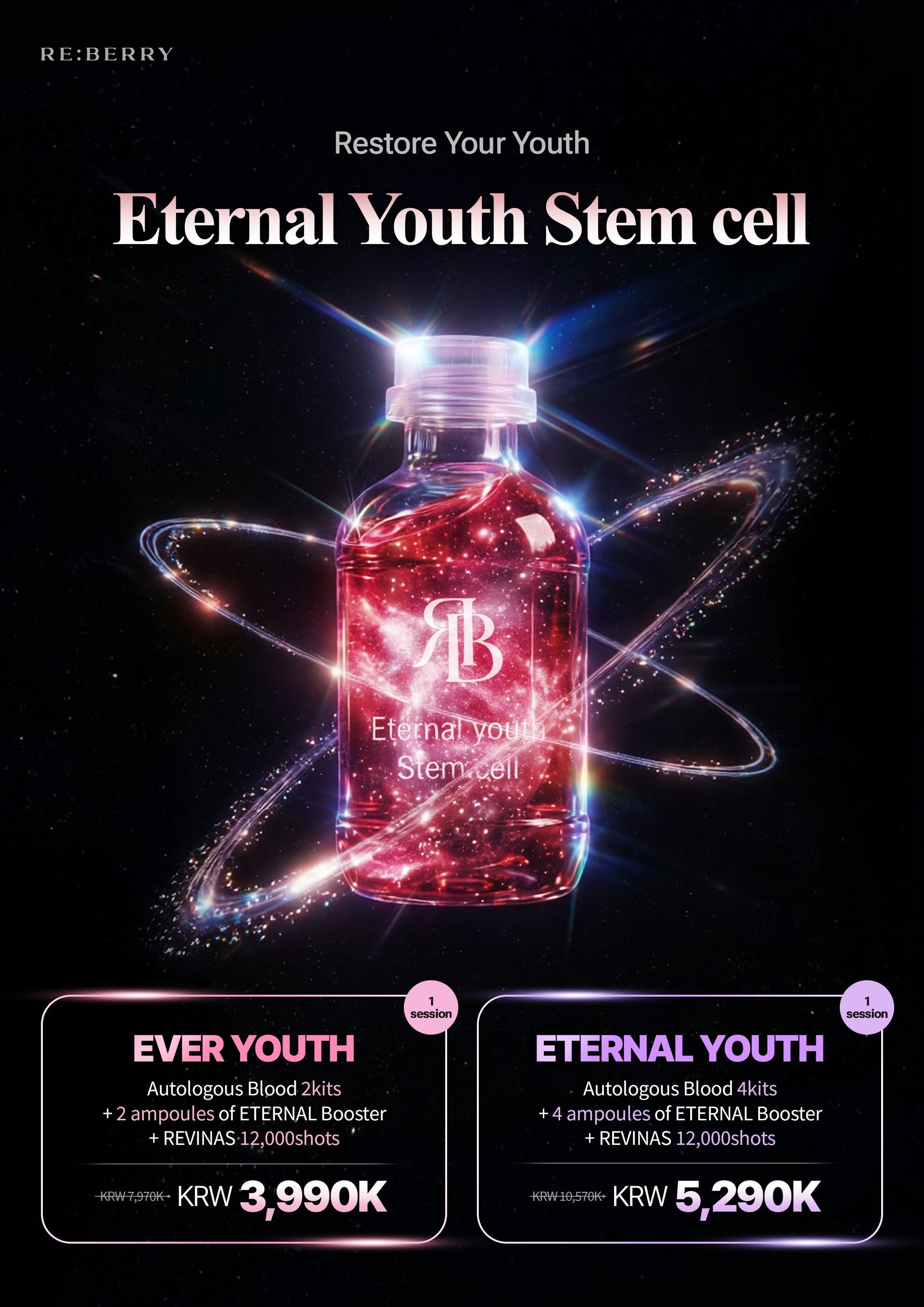
PRP Skin Rejuvenation Therapy
A regenerative treatment that uses platelet-rich plasma from the patient’s own blood to stimulate skin repair.
• Procedure time: 30–45 minutes
• Downtime: Mild redness
• Price in Korea: ~$300–$800 per session
• Benefits: Improved skin regeneration, elasticity, and overall skin quality
Benefits of Skin Treatments in Your 50s
- Improves skin firmness and elasticity
- Reduces deep wrinkles and folds
- Restores lost facial volume
- Enhances skin hydration and regeneration
- Improves overall facial contour and appearance
Recommended Treatment Frequency
Dermatologists in Korea often recommend combination treatment programs for patients in their 50s.
Typical schedule:
- Ultherapy or lifting treatments: once every 12–18 months
- RF skin tightening: every 3–6 months
- Botox: every 3–6 months
- Fillers: every 6–12 months depending on product
- PRP therapy: every 3–6 months
Important Precautions
- Choose treatments based on individual skin condition and aging pattern
- Avoid excessive filler use that may cause unnatural results
- Maintain consistent skincare and sun protection routines
- Consult experienced dermatologists or cosmetic specialists before treatment
Skin treatments in your 50s in Korea focus on restoring skin strength, improving facial contours, and maintaining a natural, healthy appearance. With advanced dermatology technology and personalized treatment programs, many patients can achieve smoother, firmer, and more youthful-looking skin.