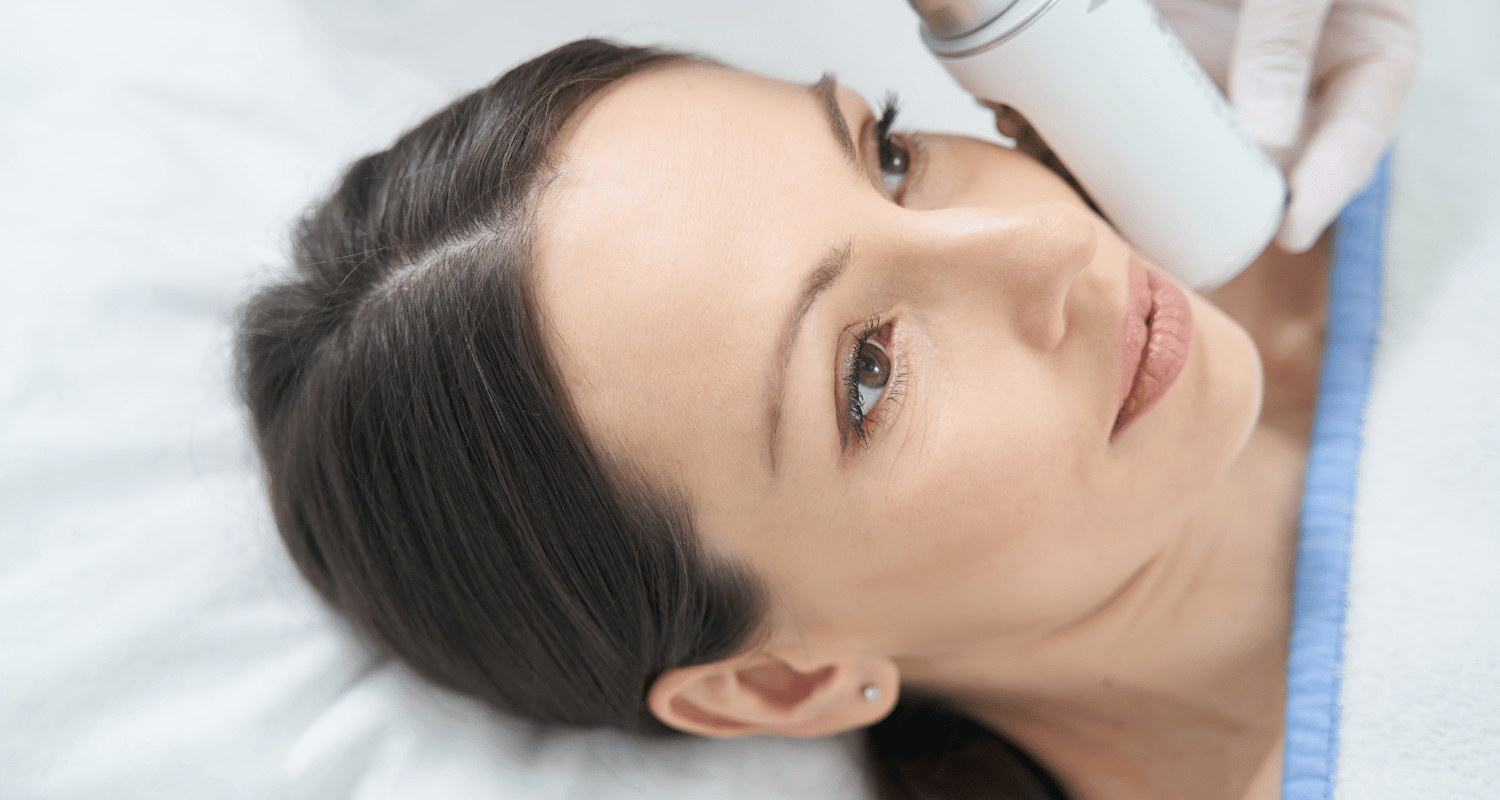
Collagen is the foundation of firm, youthful skin. As we age, natural collagen production decreases, leading to wrinkles, sagging, and loss of elasticity. Korea is globally known for advanced collagen-stimulating treatments that restore skin firmness without invasive surgery.
Here’s a practical guide to the most popular collagen boosting procedures in Korea, including how they work, recovery time, and average price ranges.
Why Choose Korea for Collagen Treatments?
- Latest FDA/KFDA-approved lifting devices
- Strong focus on preventative anti-aging
- Combination treatment expertise
- Natural-looking, gradual results
- Competitive pricing compared to Western countries
Most premium aesthetic clinics are located in Seoul, especially in Gangnam.
1. Thermage FLX (Radiofrequency Collagen Stimulation)
Thermage FLX uses radiofrequency energy to heat deep dermal layers and stimulate collagen production.
- Tightens sagging skin
- Improves jawline and cheeks
- Smooths fine wrinkles
Procedure: 40–90 minutes with numbing cream.
Downtime: Minimal redness for a few hours.
Results: Gradual improvement over 2–3 months.
Price in Korea: $1,200 – $2,500 USD.
2. Ultherapy (Deep Ultrasound Lifting)
Ultherapy delivers focused ultrasound to the SMAS layer to trigger collagen regeneration.
- Lifts brows and neck
- Improves elasticity
- Firms sagging areas
Procedure: 30–60 minutes.
Downtime: Mild swelling or tenderness.
Results: Progressive lifting over 2–3 months.
Price in Korea: $800 – $2,000 USD.
3. Rejuran Healer (Skin Regeneration Injection)
Rejuran Healer promotes skin repair and collagen remodeling using polynucleotides.
- Improves texture and elasticity
- Reduces fine lines
- Strengthens skin barrier
Procedure: 20–30 minutes of micro-injections.
Downtime: Small bumps for 1–2 days.
Results: Best after 3–4 sessions.
Price in Korea: $300 – $700 per session.
4. Juvelook (Collagen-Stimulating Filler)
Juvelook is a hybrid filler combining PDLLA and hyaluronic acid to stimulate long-term collagen production.
- Improves acne scars
- Enhances skin firmness
- Gradual volumizing effect
Procedure: 20–30 minutes.
Downtime: Mild swelling for a few days.
Results: Collagen increases gradually over several months.
Price in Korea: $400 – $900 per session.
5. Fractional Laser (Collagen Remodeling)
Fractional lasers create controlled micro-injuries to trigger new collagen formation.
- Improves acne scars
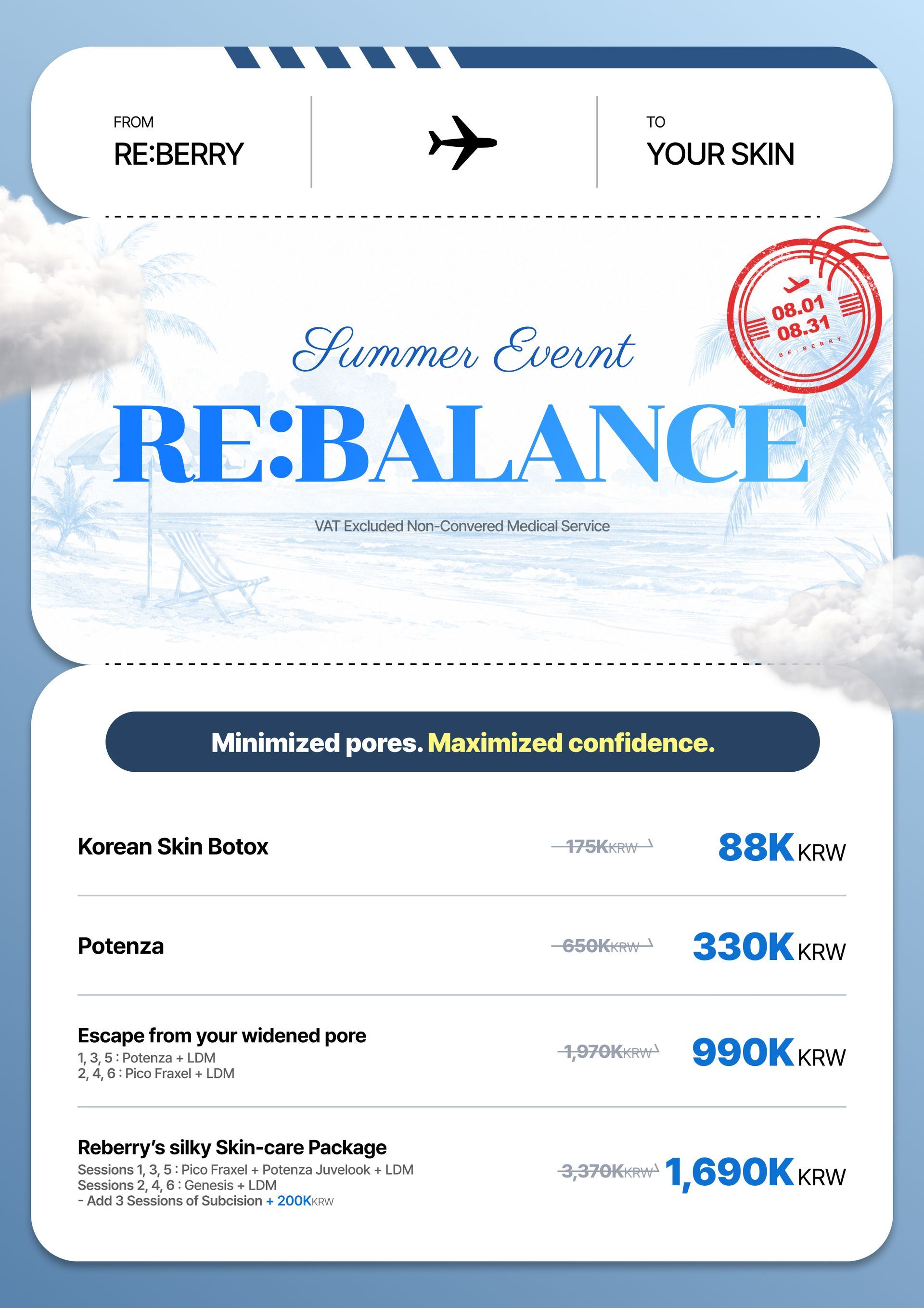
- Reduces enlarged pores
- Smooths uneven texture
Procedure: 20–40 minutes.
Downtime: 3–5 days of redness and peeling.
Results: Visible improvement after multiple sessions.
Price in Korea: $150 – $600 per session.
Important Precautions for Medical Tourists
- Confirm authentic devices and products are used
- Avoid extremely low-priced packages
- Allow recovery time before flying
- Plan 3–5 days stay minimum
- Follow strict sunscreen use after treatment
Recommended Length of Stay
For single-session treatments:
- 3–4 days is typically enough
For combination collagen programs:
- 5–7 days recommended
This allows time for consultation, treatment, and follow-up evaluation.
Why Korea Specializes in Collagen-Based Anti-Aging
Korean aesthetic philosophy emphasizes:
- Preventative care starting in late 20s–30s
- Gradual collagen rebuilding instead of dramatic surgery
- Long-term skin health
- Balanced and natural facial harmony
Rather than immediate overfilling, Korean clinics focus on stimulating your body’s own collagen for sustainable anti-aging results.
For international patients seeking non-surgical, natural, and long-term anti-aging solutions, Korea remains one of the world’s leading destinations for collagen boosting procedures.